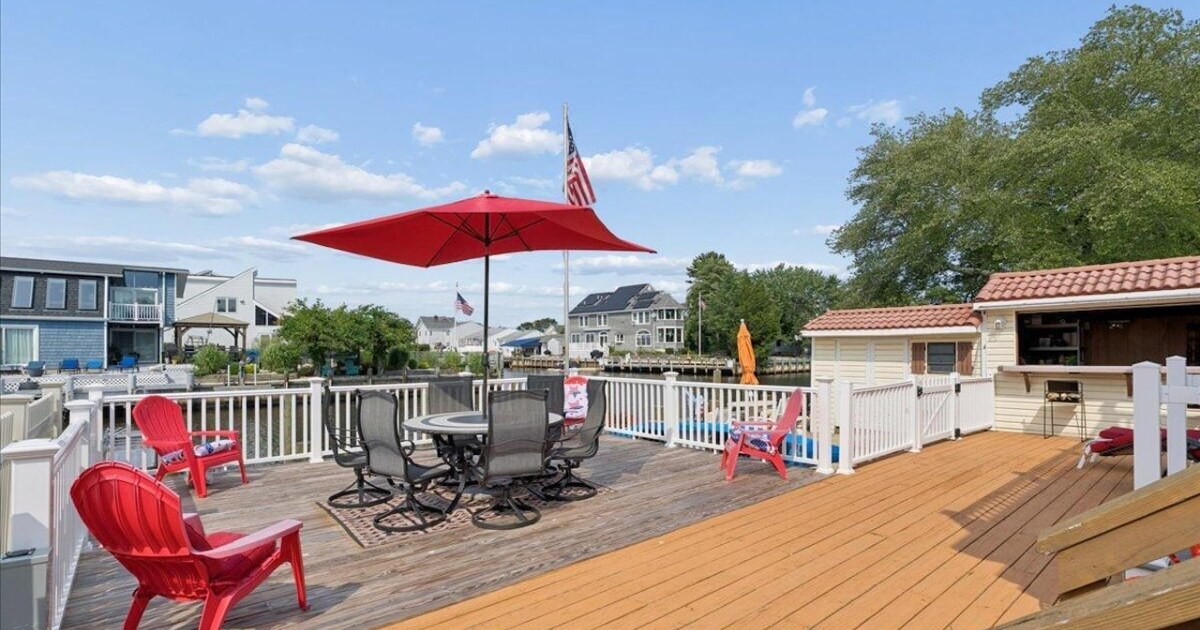
Choosing a real estate agent at the Jersey Shore starts with verifying their New Jersey license, asking about recent experience with properties like yours, and comparing how they communicate. Interview two or three agents, request a specific plan, and understand the representation agreement and fees before committing.
The right interview should leave you with more than a business card. You should understand how the agent thinks, what they will do for you, and who will answer when something needs attention.
That matters whether you’re buying your first home in Brick, selling in Wall, looking for a second home in Point Pleasant, or helping a parent sell in Toms River. Here’s how to make a thoughtful choice.
Start by checking their New Jersey real estate license
Before discussing a listing agreement or scheduling a series of showings, verify the agent’s license through the New Jersey Department of Banking and Insurance’s licensee search.
Search by name or license reference number. Confirm that the record matches the person you’re interviewing, check the license status, and review the brokerage affiliation. The state’s search includes both active and inactive licensees, so finding a name alone isn’t enough.
An active license is the starting point. Your next step is finding out whether the agent’s experience, availability, and approach fit your needs.
Look for experience that matches your property and your plans
“I know the Jersey Shore” is a broad statement. Ask the agent to make it specific.
For a seller, that might mean explaining recent comparable sales in your municipality and price range. For a buyer, it might mean discussing the kinds of properties you’re considering and the questions that need answers before you make an offer.
A waterfront purchase in Ocean County may call for different due diligence than a condominium purchase in Monmouth County. A year-round residence may raise different practical questions than a home you intend to use seasonally.
Ask:
- Which recent transactions are most relevant to my situation?
- What did you personally handle in those transactions?
- What would you investigate first about a property like mine?
- What could complicate this purchase or sale?
- Which questions would require an attorney, inspector, insurer, or other specialist?
Listen for specifics and a willingness to verify information. An agent who explains what still needs checking can be more useful than one who immediately promises that everything will be easy.
Ask about the details behind the Shore lifestyle
If you’re considering a coastal or waterfront property, ask how the agent will help you investigate flood information, insurance, prior water intrusion, elevation records, and the condition of waterfront structures where relevant.
If rental income is part of your plan, ask how you will confirm municipal rental rules and any condominium or association restrictions. If you’re selling, ask which records and disclosures would help buyers evaluate the property.
These are questions to resolve with the appropriate records and professionals. A verbal assurance that a home “should be fine” isn’t a substitute for verification.
Interview two or three agents using the same questions
You don’t need to turn the search into a monthlong project. Two or three focused conversations can give you a useful comparison.
Tell each agent the same basic facts: your location, approximate timeline, property type, and goals. Then ask the same core questions.
Take notes immediately afterward. Compare the substance of the answers, including whether the agent listened, explained unfamiliar terms, and acknowledged uncertainty.
Questions to ask a listing agent
How would you determine the asking price?
Request a comparative market analysis and an explanation of the most relevant sales. Ask how the agent accounts for condition, location, property features, and competing listings.
What should I do before putting the home on the market?
Ask the agent to distinguish essential preparation from optional improvements. You should understand the reasoning before spending money.
What exactly does your marketing plan include?
Discuss photography, listing copy, online exposure, showing arrangements, and how the agent will report results. Ask what is included in the proposed compensation and whether additional charges apply.
How will we know whether the strategy is working?
Ask when you will review buyer feedback, showing activity, and competing inventory, and what might prompt a change.
How will you help me evaluate offers?
Price is one consideration. Ask how the agent will help you compare financing, contingencies, proposed timing, and other terms with your attorney’s input where appropriate.
Who will communicate with me throughout the sale?
Clarify who handles updates, negotiations, scheduling, and issues that arise before closing.
A high suggested asking price can be appealing. What matters is whether the agent can support it and explain the consequences if buyers respond differently.
Questions to ask a buyer’s agent
How will you help me narrow my search?
Look for questions about your budget, priorities, timing, and intended use of the property.
How will you help me evaluate an asking price?
Ask how the agent uses comparable sales and identifies differences between properties.
What happens when I want to make an offer?
Have the agent walk through the process, including coordination with your lender and attorney.
How do you handle showings and availability?
Find out who will show properties, how scheduling works, and what happens when your primary agent is unavailable.
What are the terms of your buyer agreement?
Discuss the services, duration, geographic scope, exclusivity, compensation, and termination provisions.
What would I owe if the seller does not contribute toward your compensation?
Ask for a clear explanation based on the proposed agreement. Understand your potential obligation before signing.
Understand the paperwork before you commit
An agent should be able to explain the purpose of each document and give you time to review it.
Buyer agreements and compensation
New Jersey law requires written brokerage services agreements in residential transactions, subject to limited exceptions. The law calls for the agreement before, or as soon as reasonably practical after, the firm begins providing brokerage services on your behalf. New Jersey’s Real Estate Consumer Protection Enhancement Act
Separately, agents subject to the applicable NAR settlement rules must have a written buyer agreement before touring a home with a buyer they are working with. Simply attending an open house on your own or interviewing an agent does not, by itself, require signing a buyer agreement under those rules. NAR’s guide to written buyer agreements
Real estate commissions are negotiable and are not set by law. Discuss the services and total proposed charges, including any transaction or administrative fees. Ask how payments from a seller or another source would affect your obligation.
The Consumer Information Statement
The Consumer Information Statement, often called the CIS, explains the different real estate business relationships available in New Jersey.
Before sharing confidential information about your finances or motivation, ask whom the agent represents. The CIS should be part of that early conversation; receiving it does not replace reviewing the terms of your brokerage services agreement. New Jersey REALTORS® explanation of the CIS
Dual agency and designated agency
In disclosed dual agency, the brokerage represents both buyer and seller in the same transaction. It cannot favor one party’s interests over the other’s, and both parties must give informed consent.
In designated agency, different agents within the same brokerage represent the buyer and seller separately. The brokerage otherwise acts as a disclosed dual agent, and both parties must give informed written consent.
Ask how either arrangement would affect negotiation advice, confidentiality, and communication before agreeing. New Jersey Real Estate Commission guidance
Attorney review
For covered residential contracts prepared by a New Jersey real estate licensee, the attorney-review provision generally gives the parties three business days from delivery of the fully signed contract to consult an attorney. Saturdays, Sundays, and legal holidays are excluded from the standard calculation.
Your agent can coordinate documents and communication. Your attorney handles legal advice, contract revisions, and any notice of disapproval. Have your attorney confirm the deadline and explain how the clause applies to your transaction. New Jersey’s homebuying guide
Choose a communication plan you can rely on
“Call me anytime” sounds reassuring, but it doesn’t tell you how the transaction will run.
Ask what regular updates look like, whether the agent prefers phone calls or email, and how urgent questions are handled. Clarify who covers absences and when the broker becomes involved.
Consider a practical scenario: an inspection raises a concern while you’re at work. Who contacts you? Who gathers the relevant information? How will you understand your options and deadlines?
The interview itself offers clues. Notice whether the agent follows through, answers the question you asked, and explains next steps clearly.

Does brokerage size matter?
A large team may offer several people to handle showings and transaction tasks. A smaller brokerage may offer a more direct relationship with the people managing your transaction. Either approach can work well when responsibilities are clear.
Ask who will actually perform the services being discussed. If you are interviewing a team leader, find out how much of your transaction that person will handle. If you are interviewing an individual agent, ask about backup coverage.
Compare the proposed working relationship and available support alongside the brand name.
Watch for these red flags
Be cautious when an agent:
- Promises a sale price or closing timeline without explaining the assumptions.
- Recommends a listing price but cannot support it with relevant evidence.
- Pressures you to sign before reviewing the agreement.
- Gives vague answers about compensation or additional fees.
- Dismisses inspections, insurance questions, or legal review.
- Cannot explain who represents whom.
- Avoids telling you who will handle your transaction.
You don’t need an agent who agrees with every idea. You need someone who can explain a recommendation, support it, and help you make an informed decision.
Frequently asked questions
How do I choose a real estate agent in Monmouth or Ocean County?
Look for an active New Jersey license, relevant local experience, a clear service plan, and communication that fits your needs. Compare two or three agents using the same questions.
How many agents should I interview?
Two or three is a useful starting point. You’re looking for enough comparison to understand your options and choose confidently.
Should I choose the agent who suggests the highest listing price?
Ask each agent to explain the evidence behind the recommendation. Compare the pricing analysis, marketing plan, and approach to adjustments before deciding.
Should I choose based on commission alone?
Compare compensation alongside the services, availability, and support offered. Ask for the full proposed cost in writing so you can evaluate the agreement as a whole.
What if I have already signed an agreement with another brokerage?
Review that agreement before entering another one. Ask the brokerage and your attorney about its duration, exclusivity, termination terms, and any continuing obligations.
Talk with NextHome Shore Success
Choosing an agent should begin with a conversation about your goals.
At NextHome Shore Success, based in Sea Girt and serving New Jersey with a focus on Monmouth and Ocean counties, we welcome the questions in this guide. Bring your timeline, your priorities, and anything you’re unsure about.
Interview us and another brokerage. Compare the answers, the proposed services, and how comfortable you feel asking questions.
Ready to talk about your next move? Contact NextHome Shore Success or call our office at 732-858-9481.
NextHome Shore Success
1330 Laurel Ave, Suite 204
Sea Girt, NJ 08750
Office: 732-858-9481
Each office is independently owned and operated. Equal Housing Opportunity.
This article provides general information, not legal advice. Consult a New Jersey real estate attorney about your agreements and transaction.